

Water Capacity Constraints in Waterloo Region: What Builders Need to Know
Thinking about building or developing in Waterloo Region? There’s a critical update that could directly impact your project planning, especially if you're considering a new build or multi-residential development in 2026. The Region of Waterloo has confirmed a water supply constraint in its largest service area, and this limitation continues to affect development approvals across several communities.
Whether you're a developer, builder, or homeowner exploring a multi-unit conversion, understanding these ongoing challenges and preparing for them is more important than ever.
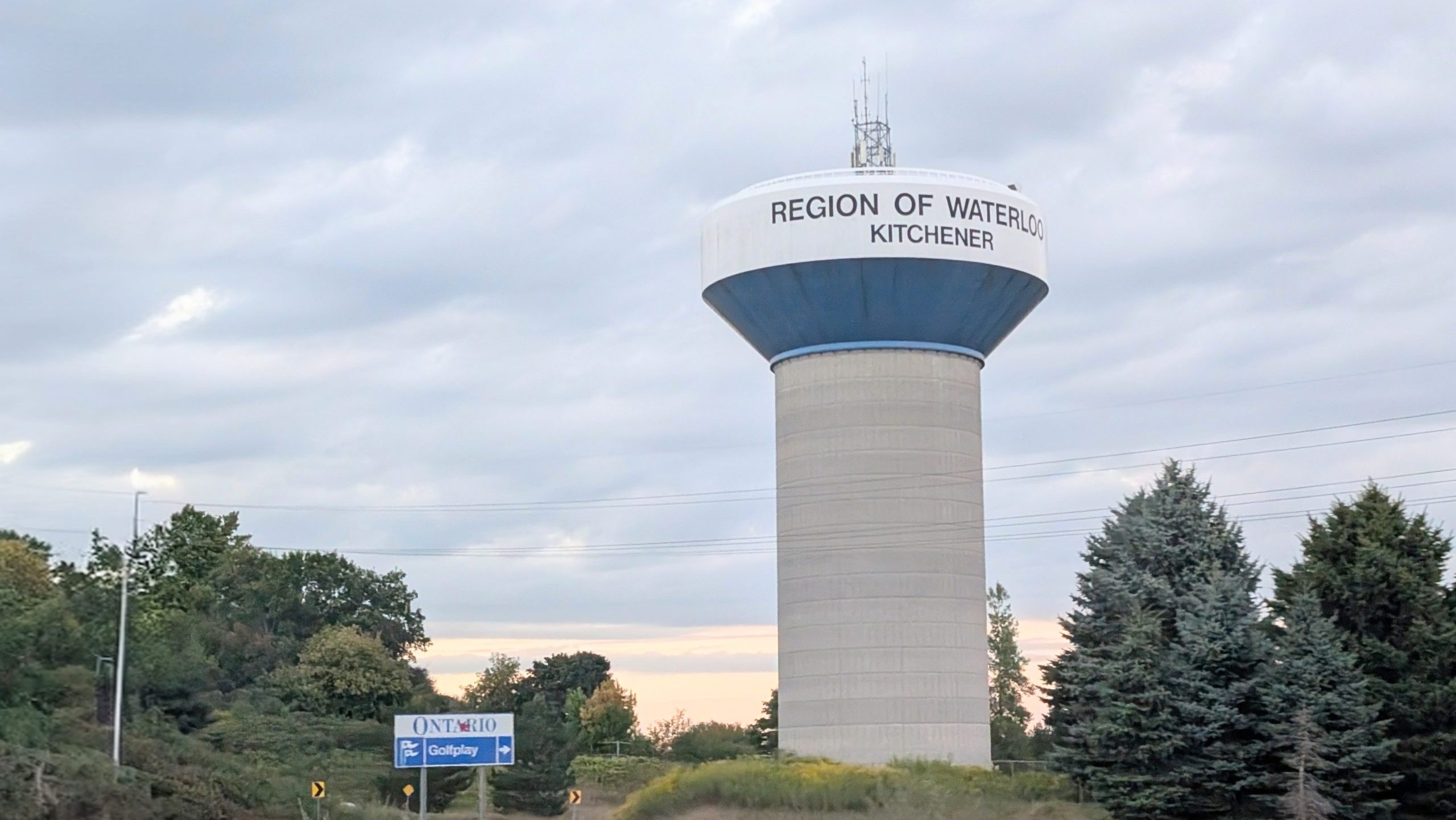
What’s the Latest on Water Servicing in Waterloo Region?
As of January 2026, the Region of Waterloo has identified a water supply capacity constraint in the Mannheim Water Supply System, which services Kitchener, Waterloo, parts of Cambridge, as well as Wilmot and Woolwich. According to the Region’s official update, this is a water quantity issue, not a quality concern. Drinking water remains safe.
However, due to limited supply, the Region has paused any new servicing approvals that would add demand to this system. This directly affects both developers and homeowners planning infill, intensification, or multi-unit projects in 2026.
Why Does This Matter for Builders and Developers?
The Region has clearly stated that new development approvals and servicing agreements will not proceed while the constraint exists. That includes anything that increases water demand in the affected areas. The restriction applies to:
- New subdivisions
- Triplexes and ADUs
- Multi-unit conversions and infill builds
- Any application requiring a new water connection
In short, the water capacity constraint has become a major limiting factor for growth in Waterloo Region.

How Did This Constraint Come About?
The current limitations were uncovered during updates to the Region’s Water Supply Strategy, which included a revised method of calculating capacity. This new approach is better suited to Waterloo Region’s primarily groundwater-based system. A third-party review confirmed that available water supply had been overestimated in past planning models.
With this more accurate method, it became clear that the Mannheim system could not meet the growing development demand.
What Are the Impacts in 2026?
While the Region works toward a solution, developments relying on the Mannheim system are effectively paused. The Region confirmed it cannot support growth until more capacity becomes available, which creates real consequences for active and future projects:
- Permit approvals may be delayed or denied
- Projects may be deferred until servicing becomes available
- Developers must now confirm servicing feasibility earlier than ever
This applies across much of Waterloo Region’s urban boundary, especially for anyone building in Kitchener, Waterloo, and adjacent townships.
What Can Builders and Developers Do Right Now?
To navigate this evolving situation, Eagleview recommends the following:
- Confirm your service area. Use municipal planning resources or speak with city staff to verify if your site relies on the Mannheim system.
- Engage early. Design-build firms like Eagleview Construction can help assess feasibility before you invest in drawings, permits, or land.
- Stay flexible. Consider staging your project or adapting the scope based on what’s viable today.
- Track updates. The Region is actively working to resolve the constraint through infrastructure repairs and planning for new supply sources.
Being proactive now reduces risk and improves your chances of moving forward when capacity returns.

What’s the Region Doing to Fix It?
The Region is currently investing in infrastructure repairs, updating long-term supply plans, and coordinating with provincial and local partners to restore capacity. This is a complex challenge, but it is receiving significant attention.
According to the Region’s water capacity site, staff are also working to engage stakeholders and improve transparency as they update residents and industry partners on progress and next steps.
What This Means for the Future of Development
This constraint represents a shift in how development will be planned in Waterloo Region. From this point forward, project success depends not only on great design or site selection but also on understanding the servicing and infrastructure capacity behind the scenes.
Builders and developers will need to:
- Prioritize early-stage planning and feasibility
- Rely on up-to-date technical information
- Work with local experts who can interpret infrastructure policy and approvals
Eagleview Construction Can Help You Plan Around Constraints
If you’re planning a build or renovation in Kitchener-Waterloo, Cambridge, or Guelph, working with a team that understands the region’s regulatory landscape is essential. At Eagleview Construction, we help clients anticipate issues like these early, before they become project-halting surprises.
Our design-build model means planning, permits, and construction are all coordinated in one place, so your investment is protected every step of the way.

Let’s Talk About Your Site
Not sure if your lot is impacted by the Mannheim constraint? Reach out. Our team is ready to help you assess the risks and plan a path forward with confidence. Schedule a consultation today.